
Have you ever felt bad about your teaching during a lesson because you thought you weren’t doing something the way you were supposed to do it? As English language teachers, we may not always be aware of the myths and misconceptions regarding language teaching which can sometimes affect our teaching practices and may hinder our students’ progress. In this post, we’ll debunk six common myths in English language teaching to be aware of these misconceptions, so that we can reflect on our teaching practices without feeling guilty or insecure about potentially doing something wrong.*
Myth 1: Communicative Language Teaching (CLT) is the best way to teach English.
While CLT is a popular teaching approach, it may not be the best fit for all learners and situations. The most effective way to teach English depends on the learners’ needs and goals. While there is evidence to support the claim that learners taught using a communicative approach are better at communicating than those taught through a form-based methodology, there is also evidence to show that learners taught using a form-based methodology produce more accurate and acceptable language than those taught through a communicative approach.
I’m a facilitator of the weak form of CLT myself and I must say that I totally agree. It is better to be flexible and use a variety of teaching methods to suit the needs of our students.
Fact: While CLT is a popular approach, it may not be the best fit for all learners and situations.
Myth 2: Teacher talking time (TTT) is a bad thing and should be kept to a minimum.
While excessive teacher talking time can be harmful to learning, well-planned, clear, targeted, and comprehensible teacher talk is a valuable resource for learners, especially those in non-English-speaking environments. Our students need to hear correct English in order to develop their language skills, so don’t be afraid to speak up when necessary.
Fact: Well-planned teacher talking time can be a valuable asset for learners, particularly those in environments where English is not the primary language.
Myth 3: New language should be drilled for pronunciation.
Although it’s a common classroom practice, drilling may not be the most effective approach when students are introduced to new language. It doesn’t sit well with cognitive and social approaches to language teaching. It’s better to encourage our students to think about where they are placing stress on words or how they are forming sounds in the target language. This will trigger their application of cognitive processes. So, don’t worry if you skip drilling in your lessons.
Fact: Drilling new language may be a common classroom ritual, but it’s not an effective learning method.
Myth 4: Pair and group work are always beneficial.

While pair and group work can be very useful for increasing motivation and providing opportunities for interaction, it’s important to make sure that students have the necessary language skills to work together effectively. In some cases, pair and group work may actually hinder students’ progress if they are unable to communicate well with their peers, or if one student dominates the exchange and completes the task, leaving very little work to do for other students in the group. Sometimes we may find ourselves doing this only to achieve less TTT, however, the language our students are exposed to in their groups is rarely a good model, so learning from one’s peers may not be a useful way of acquiring accurate and appropriate language.
Fact: Pair and group work can be beneficial, but it’s important to make sure students have the required language skills to work collaboratively and productively.
Myth 5: Lowering learners’ affective filters always leads to better learning.
While it’s important to create a positive and supportive classroom environment, there is no evidence to support the idea that completely relaxing and de-stressing students will necessarily lead to better language learning. In fact, some students may actually benefit from a little bit of stress, as it can motivate them to learn. We can focus on creating a supportive environment where students feel comfortable taking risks and making mistakes, but we need not worry too much about completely eliminating stress from the classroom.
Fact: Completely eliminating stress from the classroom may not necessarily lead to better language learning.
Myth 6: Translating dictionaries and translation itself are bad for language learning.
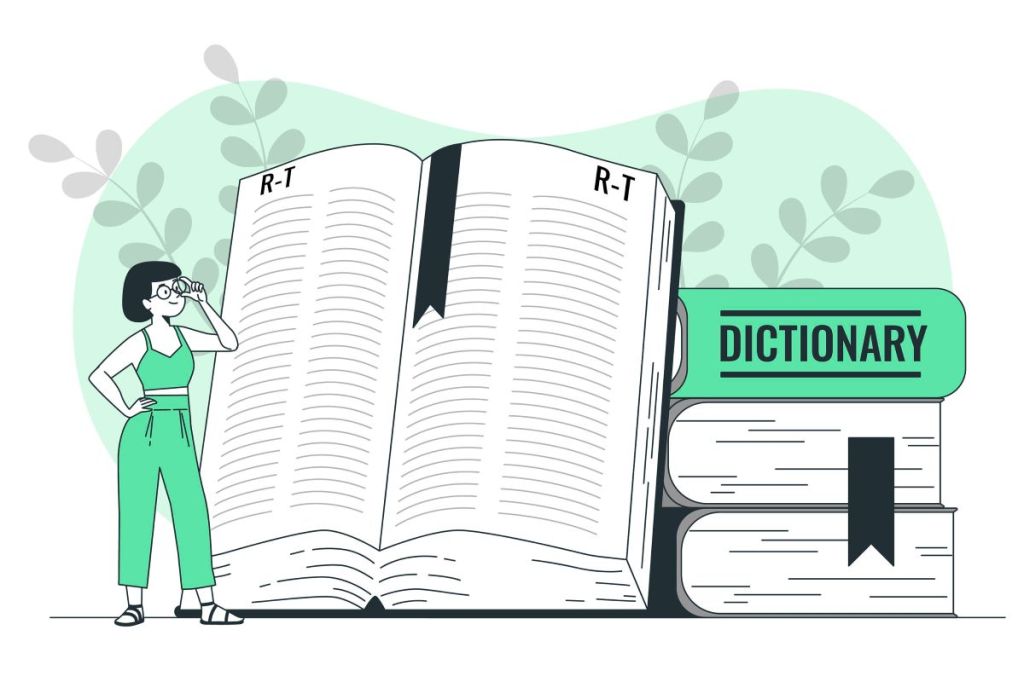
While it’s true that students should strive to use English-only dictionaries, there is no evidence to suggest that translating dictionaries are less accurate or helpful. Additionally, machine translations have become so sophisticated and useful that it’s important to teach our students how to use them to enhance their learning. Translating is also a valuable skill for many learners who, at some point, will need to translate the language for others.
Fact: Bilingual dictionaries and the translation itself can be supportive in language learning.
I believe it’s important to recognize that the most effective way to teach English depends on our learners’ needs and goals, and to be flexible in our teaching methods.
There is no need to worry too much about our TTT or approach to teaching, it’s better to provide a supportive learning environment that encourages and motivates the students.
Can you think of any myths in English language teaching that you believe should be debunked?
*According to ELT Concourse: mythology in ELT.
Source: https://www.eltconcourse.com/training/common/mythology_in_ELT.html
Images by storyset and pressfoto on freepik
 ELT Chalkboard
Leave a comment